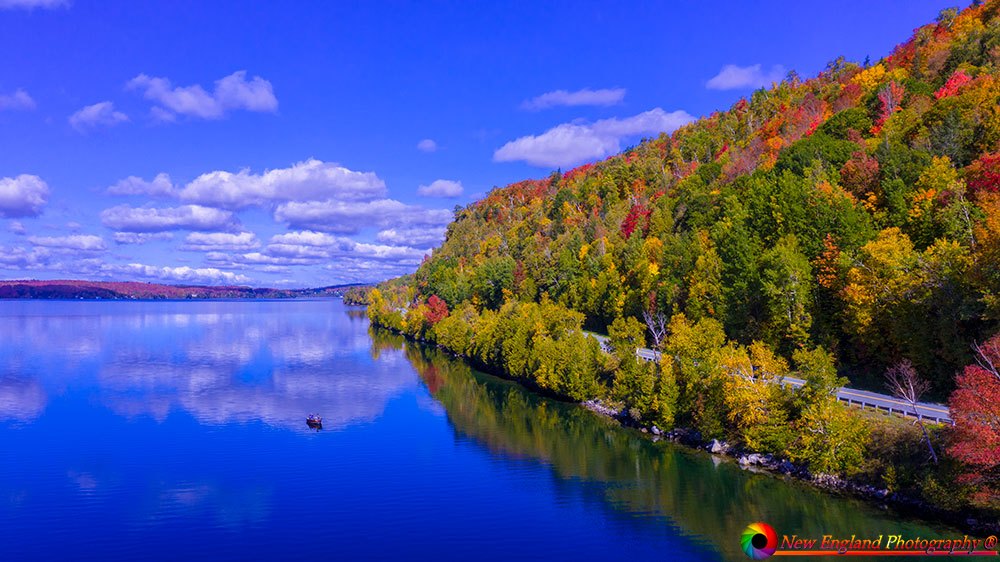
Sunset fishing at the Burlington Waterfront in Burlington Vermont

Sunset fishing at the Burlington Waterfront in Burlington Vermont Read More »
New England Photography. Scenic Photography of New England.

The Fisher Covered Railroad Bridge is a covered bridge in Wolcott, Vermont. Built in 1908, it originally carried the St. Johnsbury and Lamoille County Railroad line over the Lamoille River. Now closed, it was the last covered bridge in Vermont to carry railroad traffic, and is a rare surviving example in the state of a double Town lattice truss. It was listed on the National Register of Historic Places in 1974.
Fisher Covered Railroad Bridge in Wolcott Vermont Read More »

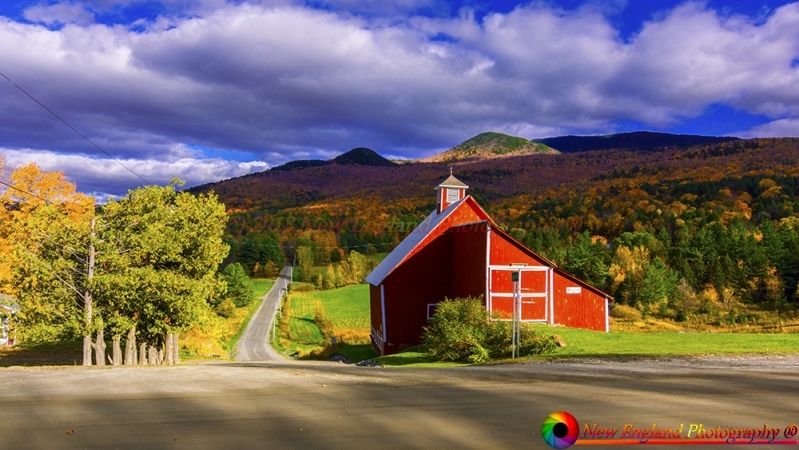
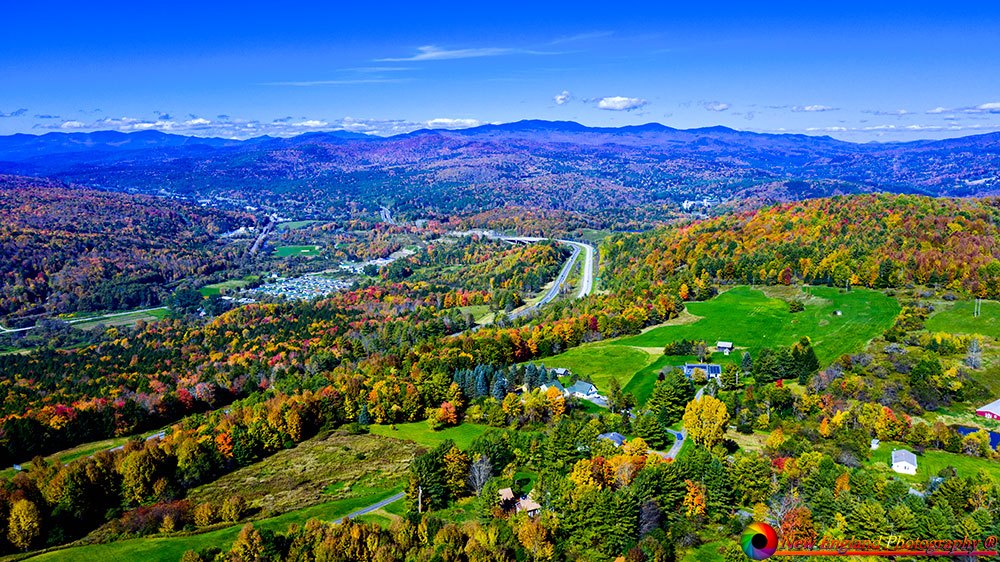
One of my favorite views in Vermont.
Looking out over Quechee Vermont Read More »

The Power House Covered Bridge, also known as the School Street Covered Bridge, is a covered bridge from 1872 that crosses the Gihon River off State Route 100C in Johnson, Vermont
Power House Covered Bridge in Johnson Vermont. Read More »

The town was founded as Thomlinson, but renaming rights were auctioned in 1791. The high bidder, who reportedly offered “five dollars and a jug of rum,” changed the name to Grafton after his home town of Grafton, Massachusetts. Possibly as a result of having celebrated a bit too much with the rum (some say it was hard cider), the money was never collected.
In the early 19th century, sheep raising became popular and multiple woolen mills sprang up along the branches of the Saxtons River. Soapstone was quarried on nearby Bear Mountain. The town became a notable stagecoach hub for traffic across the Green Mountains into Albany, New York. One inn from that era, “the Old Tavern,” was founded in 1801. It remains one of the oldest continually operating hotels in the United States.
Grafton had a population of almost 1,500 just before the American Civil War. The town suffered severe losses during the Civil War. Local cemeteries in the village hold many tombstones of casualties from the Battle of Gettysburg. After the war, the community declined in population. The soapstone quarry was depleted and closed late in the 19th century. Around the time of the Great Depression, the town’s population was less than 400.
In the 1960s the Windham Foundation was established to help restore the village.[4] It purchased the Old Tavern and many residences in the area. The foundation also established an artisanal cheese business, the Grafton Village Cheese Company, and built a world-class cross-country skiing center at Grafton Ponds that offers a popular mountain biking program for children in the summer months. The restoration efforts attracted new residents from metropolitan New York and Boston.
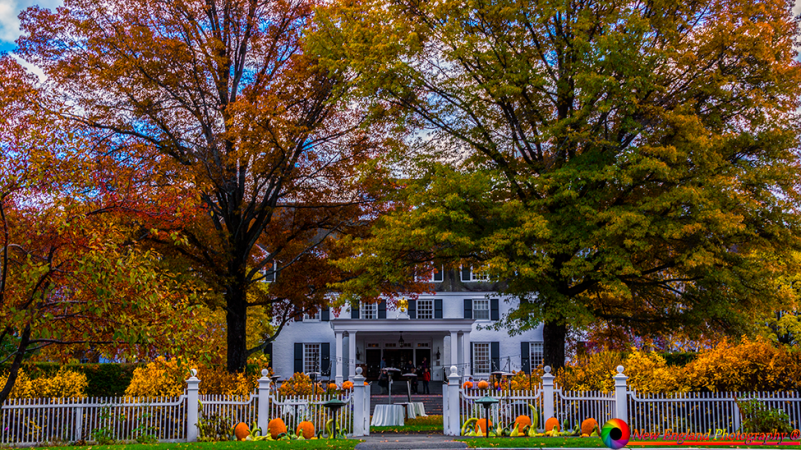
The Grafton Inn in Grafton Vermont Read More »